
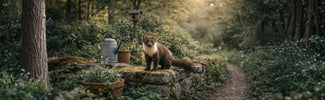
Repelling Martens: Effective Tips and Proven Methods
, 7 min reading time
, 7 min reading time
#VALUE!

Source: iStock
Martens are increasingly causing nuisance in and around residential properties. These clever and highly adaptable predators actively seek out warm, sheltered, and quiet spaces such as attics, sheds, garages, and other undisturbed areas. Once they have established themselves, they can cause considerable damage to insulation materials, electrical wiring, wooden beams, and other vulnerable structural components. In addition to material damage, martens often create persistent nighttime noise and unpleasant odors caused by urine and droppings.
Because many marten species are protected, only humane and preventive measures should be used. The objective is not to harm the animal, but to make the environment unsuitable so it chooses to relocate. Fortunately, there are effective and sustainable solutions available that allow you to repel martens without causing injury to the animal or damage to the environment. This article explains what attracts martens, the risks they pose, and which methods are most suitable for long-term prevention.
Marten nuisance goes beyond minor inconvenience. In many cases, it results in structural damage and recurring problems if no action is taken.
By intervening early with humane measures, you can prevent damage and maintain a safe, clean, and comfortable living environment.
Successfully repelling martens requires a strategic and consistent approach. Martens are intelligent, territorial animals that quickly adapt to changes in their surroundings. For that reason, relying on a single method often produces only temporary results.
The most successful strategy combines deterrents, preventive measures, and physical access control. By integrating sound, scent, and structural protection, you create an environment that martens perceive as unsafe and unattractive. This not only reduces immediate nuisance but also minimizes the risk of them returning after being driven away.
Ultrasonic repellers use high-frequency sound waves that are inaudible to humans but irritating to martens. These sound signals disrupt their sense of security and territory, encouraging them to avoid the area.
Such devices are suitable for attics, garages, storage areas, and other enclosed spaces. For optimal effectiveness, correct placement is essential. The device should not be obstructed by walls, insulation, or large objects that block sound waves. In larger spaces, installing multiple devices may improve coverage and effectiveness.
Martens have a highly developed sense of smell. Certain odors are perceived as unpleasant or threatening and can be used as deterrents.
Scent-based deterrents are particularly effective in areas where martens frequently enter or rest. Because smells fade over time, they must be refreshed regularly to maintain their repelling effect.
Physically sealing potential entry points forms the foundation of a long-term solution against marten intrusion. Even small openings can provide sufficient access for these agile animals.
These measures prevent martens from re-establishing themselves and are essential for sustainable prevention.
Natural methods can serve as a valuable addition to other preventive measures, particularly when the goal is to make the surrounding environment less attractive.
The table below provides an overview of commonly used methods, their effectiveness, and their typical applications.
| Method | Effectiveness | Suitable for | Maintenance | Application |
|---|---|---|---|---|
| Ultrasonic repeller | Moderate to high | Indoor spaces, outbuildings | Low | Sound waves that disturb martens |
| Scent deterrents | Moderate | Entry points, nesting areas | High | Use of repellent odors |
| Natural deterrents | Low to moderate | Garden and surroundings | Moderate | Preventive environmental support |
| Physical barriers | High | Buildings and openings | Low | Structural sealing |
| Combination of methods | Very high | All situations | Moderate | Comprehensive long-term solution |
Martens mainly seek out warm, sheltered, and undisturbed locations. By proactively securing vulnerable areas, nuisance can be effectively prevented.
Martens look for warm and quiet spaces such as attics and garages where they feel safe. Once inside, they may damage insulation, wiring, and structural elements while creating noise and odor nuisance.
Martens commonly settle in attics, roof structures, garages, and sheds. These areas provide warmth, shelter, and limited human disturbance.
The most effective approach is a combination of measures rather than relying on a single solution. Combining ultrasonic deterrents with scent repellents and properly sealing access points creates long-lasting results.
Some deterrents may influence behavior within a few days as martens begin to feel unsafe. For lasting success, measures must be applied consistently and in combination.
Yes, prevention is essential. Sealing gaps, installing mesh barriers, and limiting hiding and food sources make a property far less attractive to martens.
Doika provides sustainable and humane solutions for home and garden. Through carefully selected products, expert guidance, and clear information, Doika supports a structured and long-term approach to resolving marten nuisance.
An effective approach to marten nuisance involves combining multiple measures and protecting vulnerable areas proactively. By applying prevention, deterrence, and regular maintenance consistently, you can prevent damage and maintain long-term protection against recurring marten activity.


