
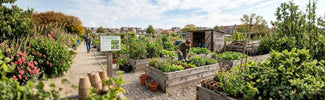
Eco-friendly gardening: sustainable options for planters and more
, 5 min reading time
, 5 min reading time
#VALUE!
Gardening is an enjoyable activity that people of all ages can appreciate. It is also an activity you can approach consciously and sustainably. Eco-friendly gardening is a wonderful way to reduce your impact on the environment while still enjoying the beauty of plants and greenery. From choosing sustainable outdoor planters to smart water use — there are countless ways to make your garden greener, in both the literal and figurative sense. Below you will find some of the best sustainable options for gardeners who want to reduce their environmental impact.
Plastic outdoor planters are a popular choice due to their affordability and convenience, but they are not always the most eco-friendly option. Fortunately, more and more sustainable alternatives are available for those who want to garden consciously. Materials such as Corten steel and high-quality polyester last for decades without weathering or needing replacement, which makes them more sustainable in the long run than cheap disposable alternatives. An outdoor planter that lasts for years prevents unnecessary replacement and, with it, unnecessary material consumption. There are also planters made from recycled materials, which give a second life to raw materials that would otherwise be lost.
Non-organic soil often contains chemicals and synthetic fertilisers that can be harmful to the environment. Soil made with natural ingredients, such as organic compost, is a much better choice for your garden or planters. Organic soil is not only better for the environment, but also better for your plants, as it provides essential nutrients that allow plants to thrive.
Rainwater harvesting is an excellent way to lower your water bill and conserve water. Rainwater can be collected in barrels or tanks and used to water your plants and planters. This not only reduces your water consumption but also ensures your plants receive the natural, low-lime water they need to thrive.
Composting is an excellent way to reduce your environmental impact and provide your plants with rich, natural fertiliser. By collecting food scraps, grass clippings, and other organic materials and placing them in a compost bin, they break down over time into a valuable, natural fertiliser for your garden or planters.
Materials such as Corten steel and high-quality polyester are particularly sustainable because they last for decades without weathering. The longer a planter lasts, the lower its ultimate environmental impact per year of use, even though producing the material itself may be more intensive than, for example, plastic.
Yes, rainwater is generally lower in lime and softer than tap water, which is beneficial for many plant species. In addition, using rainwater reduces your water consumption and contributes to a more sustainable garden.
Start with a compost bin in a well-drained spot in your garden. Add a mix of green materials such as vegetable and fruit scraps and brown materials such as dry leaves or cardboard. Stir regularly and keep the compost moist for proper decomposition.
High-quality recycled planters can withstand weather conditions just as well, provided they are made from high-quality materials. When purchasing, pay attention to material quality and weather resistance, just as you would with new planters.
A partially shaded, well-drained spot is ideal for a compost heap or bin. Avoid full sun, as this can cause the compost to dry out too quickly, and ensure adequate air circulation for proper decomposition.
At Doika, we believe sustainability and style are not mutually exclusive. Our range is carefully curated from materials that last for years, so you need to replace them less often and reduce your impact on the environment. We deliver with short, reliable delivery times and a clear warranty policy. Have questions about materials, maintenance, or sustainability? Our team is here to help. Returns are simple and transparent.
Eco-friendly gardening doesn't have to take much effort — small, conscious choices already make a big difference. From sustainable planters and organic soil to rainwater harvesting and composting: every step contributes to a garden that is not only beautiful but also good for the planet. Looking for a sustainable and stylish outdoor planter? Choose materials that last for years, so you can enjoy a beautiful garden while also contributing to a more sustainable outdoor space.


