Outdoor Lighting in 2026: Smart Choices for Garden, Driveway and Facade
,
13 min reading time
Outdoor lighting (also called exterior lights, garden lighting or outdoor lamps) is one of the fastest ways to make your garden, driveway or facade feel safer and look more inviting after dark. Without good light, a path quickly becomes awkward to use, garden features lose depth, and dark corners can feel less comfortable. At the same time, you want it to stay practical: weatherproof (ideally IP65), energy-efficient, suited to your style, and placed logically so you avoid harsh hotspots or glare. In this guide you’ll learn how to choose the right outdoor light for your space and budget, what mistakes to avoid when buying outdoor lighting, and which models in 2026 offer an excellent balance of design, durability and everyday ease.
What is outdoor lighting?
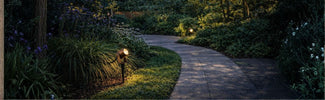
Outdoor lighting includes any lighting designed for exterior use, such as wall lights on a facade, lights along a walkway, or atmospheric garden lighting near borders and patios. The goal is usually a combination of safety (visibility and orientation), ambience (highlighting plants, textures and architecture), and function (practical light at a door or driveway). Because exterior fixtures are constantly exposed to moisture, rain and temperature changes, details like the IP rating, material choice and installation quality strongly affect how long your lights stay reliable and good-looking.
Pros and cons of outdoor lights
Pros
Improved safety: better visibility at doors, paths and driveways.
More ambience: your garden and facade gain instant evening character.
Everyday comfort: coming home in the dark feels easier and calmer.
LED efficiency: modern LED outdoor lighting uses little energy and lasts a long time.
Cons
Wrong IP rating: choosing too low can cause issues or shorten lifespan.
Poor positioning: glare or weak coverage often comes from placement mistakes.
Underestimating wiring: safe connections and waterproof joins are essential.
Too much light: overlighting looks busy and can feel uncomfortable.
Material influences upkeep: some finishes need more care depending on exposure.
Best 5 outdoor lights in 2026
1) Pillar lamp corten steel 10x10x80cm (DxWxH) – best for clean path lighting
Want a slim, modern outdoor light that guides paths and edges without shouting for attention? This Pillar is ideal when you want a neat, continuous light rhythm rather than bright pools. The corten steel develops a distinctive patina, and the IP65 rating keeps it dependable outdoors.
Type: bollard/standing outdoor lamp (downlight)
Size: 10x10x80 cm
Light source: LED 3W, warm white (3000K)
Weather resistance: IP65
Best for: driveways, garden paths, crisp border lines
2) Pillar lamp corten steel 10x10x50cm (DxWxH) – best compact bollard with premium look
Prefer a lower bollard for a terrace edge or a shorter walkway? The 50 cm version keeps the same robust, architectural feel while staying more subtle in height—great when you want light to guide rather than dominate.
Type: bollard/standing outdoor lamp (downlight)
Size: 10x10x50 cm
Light source: LED 3W, warm white (3000K)
Weather resistance: IP65 + waterproof connector
Best for: terraces, short routes, accents along borders
3) Corten steel lighting Cube 10x15x10cm (DxWxH) – best facade light with adjustable beam
Looking for a crisp wall light that can highlight your wall both upward and downward? The Cube is built for ambience with control: you can adjust the beam angle to match your facade width or create a clean “light wash” effect.
Want lighting that adds real architectural presence? The Cuber is larger and produces a stronger up-and-down light pattern—ideal for wider facades or when you want a premium look without harsh brightness.
Type: outdoor wall light (up & down)
Size: 2x25x35 cm (DxWxH)
Light source: LED 6W, warm white (3000K)
Beam angle: adjustable (1°–120°)
Weather resistance: IP65 + waterproof connector
Best for: larger facades, modern homes, strong accents
5) Trillar lamp corten steel 15x10x50cm (DxWxH) – best for narrow spaces with warm downlight
The Trillar is a smart pick for tighter areas (along a wall, a narrow path or corners) where you still want a clean, architectural fixture. With warm white light and a downward distribution, the result stays calm and refined.
Type: facade light / outdoor lamp (downlight)
Size: 15x10x50 cm
Light source: LED 3W, warm white (3000K)
Weather resistance: IP65 + waterproof connector
Best for: narrow walkways, corner accents, quiet mood lighting
Buyer’s guide: how to choose the right outdoor lighting
1) Start with the goal: safety, ambience or both
Safety: focus on paths, steps, driveway areas and entrances (aim for even light).
Ambience: highlight facades, planting and textures (warm white works in most settings).
Both: combine functional base lighting with smaller accents for the best overall result.
2) Check the IP rating and placement
IP65 is a strong all-round choice for outdoor lighting, especially where rain and splashes are expected.
Mount wall lights so you’re not looking straight into the light source (reduces glare).
Space path lights in a consistent rhythm—close enough for guidance, but not so close it feels like a runway.
3) Choose the right type of outdoor light
Bollard/standing lights: best for guiding paths and driveways.
Wall lights: ideal for facades, fences and entrances; up & down creates strong atmosphere.
Downlights: calmer light pattern with less spill, often more comfortable on routes.
4) Material choice: why corten steel is popular
Corten steel develops a distinctive protective patina that gives a warm, architectural look. It works well in modern outdoor designs while keeping the overall feel natural rather than cold.
5) Common mistakes (and how to avoid them)
Choosing light that’s too cold or too bright: go for warm white (around 3000K) for a welcoming mood.
Skipping waterproof connections: always use suitable outdoor cabling and a waterproof connector.
Buying single fixtures without a plan: think in zones (entrance, route, accent) for a calm result.
Not testing at night: temporary placement helps spot glare, shadows and blind spots.
Step-by-step: installing outdoor lighting
Create a lighting plan: define zones (entrance, path, terrace) and what you want to highlight.
Choose the right fixture type: wall for facades, standing for routes, downlight for calmness.
Measure and mark positions: prevent glare and keep walking lines in mind.
Use safe connections: select outdoor-rated cables and a waterproof connector.
Install and aim: test at night and adjust angles/directions if needed.
Finish neatly: secure everything and protect cables properly.
FAQs about outdoor lighting
What IP rating do I need for outdoor lighting?
For most situations, IP65 is a safe choice because it protects against dust and water jets. If a light sits in an especially exposed location, choose a higher protection level and make sure connections are waterproof to reduce faults and extend lifespan.
What’s the difference between garden lighting and facade wall lights?
Garden lighting is typically used to guide or accent paths, borders and terraces. Facade wall lights usually illuminate walls, entrances or driveways and often create a defined up and/or down light pattern. Used together, they create a balanced and coherent outdoor look.
What colour temperature is best outdoors?
Warm white light around 3000K is the most popular for outdoor spaces because it feels comfortable and atmospheric. Cooler light can be functional, but it often looks harsher. For most homes, warm white is the best all-round option.
How do I prevent outdoor lights from causing glare?
Install fixtures at a height and angle that keeps the light source out of your direct line of sight. For routes, downlights or shielded fixtures are often more comfortable. Always test positioning at night—small adjustments can make a big difference.
What should I look for when buying outdoor lighting?
Start with your goal (safety/ambience), then check the IP rating, choose the right fixture type, and prioritize quality installation and waterproof connections. Also consider whether the light pattern suits your facade and layout. A simple plan helps you avoid overbuying and rework.
When outdoor lighting is not the right choice
Outdoor lighting adds a lot—yet not every situation benefits from more fixtures or stronger brightness. Being honest about usage and installation conditions helps prevent disappointment and wasted spend.
Not suitable if any of these apply
You can’t install it safely: without outdoor-rated cabling and waterproof connectors, fix the basics first.
You rarely use the space at night: one strong entrance light may be enough instead of multiple fixtures.
The mounting spot is unstable or constantly muddy: even IP65 performs best on a secure, stable surface.
When it’s probably overkill
Multiple strong wall lights on a small facade: can quickly look busy and overly bright.
Tall bollards along a short path: a lower Pillar is often more logical for short routes.
Lighting everything “just in case”: good outdoor lighting uses zones and accents, not maximum brightness everywhere.
Common buying mistakes (and how to avoid them)
Choosing only by design: a beautiful fixture that doesn’t match the location won’t feel right in use.
Skipping a lighting plan: random purchases often create dark gaps or overlighting.
Too bright or too cold: warm white (around 3000K) usually feels calmer outdoors.
Ignoring sightlines: glare is often about mounting height and angle, not the lamp itself.
Stop comparing: choose in 60 seconds
Need guidance along a route or driveway? Choose Pillar: 80 cm for clear guidance, 50 cm for softer ambience.
Want controlled facade accents? Choose Cube for an adjustable beam with less spill.
Have a wide or tall facade that should stand out? Choose Cuber as a statement up & down wall light.
Working with narrow areas or quiet accents? Choose Trillar for warm downward light.
Doika rule of thumb: decide the place and purpose first (route, facade, accent). Pick the model second. When a fixture fits its job logically, it almost always becomes the right choice.
Our advice isn’t “buy more”. It’s: the right light in the right place—nothing you’ll later feel is “too much”.
Why choose Doika
At Doika, outdoor lighting is about balancing appearance, reliability and real-world practicality. We select exterior lights with durable materials, weather-resistant finishing and a light pattern that works in everyday outdoor spaces. You benefit from clear product information, help choosing the right model and a transparent service and warranty process—so you order with confidence and know what to expect from installation through long-term use.
Conclusion
Great outdoor lighting makes your outdoor space safer, more atmospheric and more practical. Choose based on purpose (route, facade, accent), light quality (preferably warm white) and reliability (IP65 with waterproof connections). Ready to compare? Explore the outdoor lighting collection and pick the garden and exterior lights that suit your home and layout.
For most situations, IP65 is a safe choice because it protects against dust and water jets. If a light sits in an especially exposed location, choose a higher protection level and make sure connections are waterproof to reduce faults and extend lifespan.
What’s the difference between garden lighting and facade wall lights?
Garden lighting is typically used to guide or accent paths, borders and terraces. Facade wall lights usually illuminate walls, entrances or driveways and often create a defined up and/or down light pattern. Used together, they create a balanced and coherent outdoor look.
What colour temperature is best outdoors?
Warm white light around 3000K is the most popular for outdoor spaces because it feels comfortable and atmospheric. Cooler light can be functional, but it often looks harsher. For most homes, warm white is the best all-round option.
How do I prevent outdoor lights from causing glare?
Install fixtures at a height and angle that keeps the light source out of your direct line of sight. For routes, downlights or shielded fixtures are often more comfortable. Always test positioning at night—small adjustments can make a big difference.
What should I look for when buying outdoor lighting?
Start with your goal (safety/ambience), then check the IP rating, choose the right fixture type, and prioritize quality installation and waterproof connections. Also consider whether the light pattern suits your facade and layout. A simple plan helps you avoid overbuying and rework.