
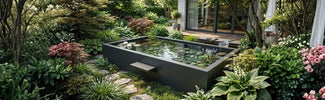
Clearing a pond: Tips and techniques for crystal clear water
, 11 min reading time
, 11 min reading time
#VALUE!
A clear pond is not only a pleasure to look at, but also essential for a healthy ecosystem. Whether you have a small garden pond or a large koi pond — cloudy water is a common problem that can be effectively prevented and resolved with the right approach. The causes range from algae growth and organic waste to an imbalance in water quality. In this article, we discuss the most effective tips and techniques to make and keep your pond crystal clear, from mechanical filtration and biological treatments to the right planting and preventive maintenance.
Cloudy pond water always has a cause. The most common are an excess of organic material, unbalanced water quality and algae growth. Knowing the cause helps you choose the right solution. Treating symptoms without addressing the root cause means the problem will keep coming back.
Leaves, twigs and other organic material accumulate in the pond and break down slowly. This process produces waste substances that cloud the water and disrupt the oxygen balance. Regularly removing organic material is the simplest preventive measure.
Excessive algae growth is the most common cause of green or cloudy pond water. Algae thrive when there is an excess of nutrients such as phosphate and nitrate, released from fish food and organic waste. Too much direct sunlight accelerates algae growth further.
An incorrect pH level, too high an ammonia content or a lack of oxygen disrupts the biological balance in the pond. This leads to cloudy water and can be harmful to fish and plants.
Sludge consists of accumulated organic material and is a breeding ground for harmful bacteria and algae. When disturbed — by fish or wind — it clouds the water and significantly reduces water quality.
| Cause | Effect | Solution |
|---|---|---|
| Organic waste | Cloudy, brownish water | Remove regularly, pond net |
| Algae growth | Green water or green deposits | UV filter, aquatic plants, feed less |
| Sludge on the floor | Cloudiness when disturbed | Pond vacuum, sludge bacteria |
| Water quality imbalance | Sick water, sick fish | Test water quality, biological filter |
| Too much fish food | Phosphate and nitrate excess | Feed less and in measured amounts |
A pond pump with filter removes visible particles such as leaves, algae and dirt from the water. Choose a filter with the right capacity for the size of your pond. A UV filter kills free-floating algae and pathogens that ordinary filters cannot stop. Clean the filter regularly to maintain performance — a blocked filter is counterproductive.
Beneficial bacteria are the backbone of a healthy pond ecosystem. Bacterial cultures added to the pond break down organic waste and convert ammonia and nitrite into harmless substances. Choose products with nitrifying bacteria such as lactobacillus for a stable and effective biological filter.
In cases of severe cloudiness, chemical products can provide quick relief. Flocculants clump small suspended particles together so they can be filtered more easily. Algaecides inhibit algae growth. Always use chemical treatments as a last resort and follow dosage instructions carefully to avoid disrupting the ecosystem.
Plants are one of the most effective and natural ways to keep pond water clear. Oxygenating plants such as hornwort and waterweed absorb excess nutrients and deprive algae of their growth source. Marginal plants such as bulrush also absorb many nutrients and contribute to the biological balance.
| Method | Action | Effectiveness | Effort |
|---|---|---|---|
| Mechanical filter | Removes particles | High | Low (periodic cleaning) |
| UV filter | Kills free-floating algae | Very high | Low |
| Biological filter | Breaks down waste | High | Low |
| Aquatic plants | Compete with algae | Medium – high | Low (plant once) |
| Chemical products | Fast algae control | High (short-term) | Medium |
| Regular maintenance | Prevents build-up | High | Medium (weekly) |
Green pond water is caused by excessive growth of free-floating algae. This occurs when there are too many nutrients in the water and too much direct sunlight. A UV filter and the addition of aquatic plants are the most effective solutions.
With the right measures such as a UV filter and biological treatment, you will typically see improvement within 1 to 3 weeks. A fully stable and clear ecosystem can take several weeks to months to establish.
Not strictly necessary, but very effective against free-floating algae. In ponds with fish, a UV filter is strongly recommended as it also destroys harmful pathogens that can make fish ill.
A good guideline is to cover 50 to 70% of the water surface with floating plants. Also add oxygenating plants on the bottom for an optimal effect on water quality.
Tap water contains chlorine and lime, which can be harmful to fish and beneficial bacteria. Let tap water stand for 24 hours first, or use a dechlorination product before adding it to the pond.
A clear pond starts with the right combination of filtration, planting and regular maintenance. At Doika, we are happy to help you find the right pond to suit your garden and wishes.
Doika specialises in high-quality ponds and has extensive knowledge of what a pond needs throughout the year to stay healthy and clear. We are happy to help you choose a pond that suits your garden, whether you opt for a freestanding corten steel model or another design. For questions about maintenance, materials or installation, our customer service team is always available.
A clear pond is achieved by addressing the cause of cloudiness, investing in the right filtration and ensuring a good balance of aquatic plants. With regular maintenance and the right techniques, you can enjoy crystal clear water all year round. Browse the full range of ponds at Doika and find the pond that suits your garden.


